Agefield High Rock the School Agefield High Combat Tips
Simple brawling in a comedy adventure — not a beat-em-up grind.
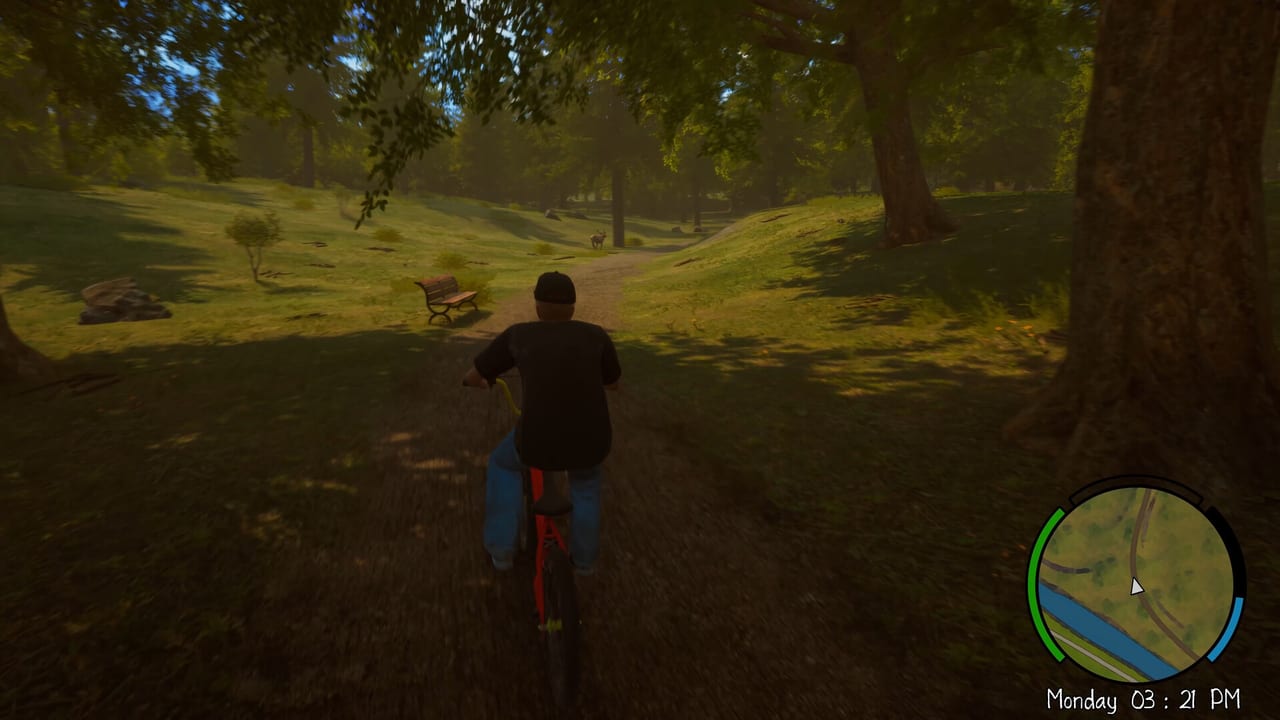
Agefield High: Rock the School is a coming-of-age open world from Refugium Games and Perp Games, not a fighting franchise. Combat stays deliberately simple: punches, kicks, and light scuffling when teen rivalry spills into mild violence that matches the game’s mature humor label. You will not manage combo trees, weapon crafting, stamina bars, or parry windows — think hallway dust-ups that resolve quickly and return you to classes, missions, or shop runs across the school campus, neighborhoods, town, and countryside.
This page summarizes confirmed combat scope ahead of the August 12, 2026 PC Steam launch (app 3562580) and links deeper systems without inventing secret finishers or mission-specific fight scripts.
Basics: punches and kicks
Preview footage and developer comments show Sam engaging bullies or troublemakers with straightforward strikes. Inputs map to attack buttons documented in PC Controls — separate light and heavy variants may appear post-launch, but demos emphasize accessibility over depth. The design goal mirrors school-sandbox classics: violence exists as punctuation in a comedy adventure, not as the primary skill ceiling.
There is no evidence that combat feeds major economy loops. How to Earn Money prioritizes grades from attending English, Math, Geography, German, and Music, plus fifteen side missions and shop-friendly errands. Do not expect fight winnings to replace showing up to class unless verified after release.
Sam’s punch strength likely stays flat regardless of Shops Guide purchases — cosmetics and bikes change how you look and move, not how hard you hit. That keeps fights narratively grounded inside an eight-to-ten-hour campaign with thirty-two main missions.
When fighting helps versus hurts
Helpful scenarios (structurally, not mission-specific):
- Story beats where the Rock the School plan demands standing up to antagonists alongside Kale and Axel.
- Optional side content in Side Missions that frames fisticuffs as comedy set pieces rather than skill checks.
- Self-defense when exploration turns hostile in Town Neighborhoods at night, especially if authority patrol density is lower off-campus.
Risky scenarios:
- Truancy hours covered in Skip Class Guide — fights near campus draw teacher or police attention faster than the same scuffle behind a shop alley.
- Repeat brawling that may lower social standing for Endings Guide branches — reputation penalties remain unconfirmed until players test both of the two endings, but narrative sandboxes often track chaos.
- Picking fights during graded school hours when you still need money from School System Guide performance.
If a dispute offers dialogue, choose words first. Early-2000s teen comedy often rewards verbal humiliation over bruises, and preview clips occasionally show arguments defusing fights before the first punch lands.
Authority and consequences
School staff and town police react to violence in a teen sandbox context. Detentions, escorts back to class, fines, or temporary mission lockouts are genre-plausible outcomes even if exact tables are not datamined pre-launch. Heat from truancy and heat from fighting may stack — skipping German to brawl in the quad is worse than either alone.
Combat during missions tied to the thirty-two main story beats should not soft-lock progress. Refugium targets an accessible campaign length, but retry checkpoints and fail-state generosity remain unverified publicly. Watch Updates Hub for post-release tables once PC players document outcomes.
Gear, stats, and non-lethal resolution
Bikes and Customization focus on travel and style, not attack power. Tattoos, hair, and clothes from Shops Guide appear in cutscenes but do not turn Sam into an action hero.
When combat music swells, scan for interact prompts or companion lines from Kale or Axel — AI friends sometimes initiate distraction gags that end fights without a knockout. This page focuses on mechanics when talks fail, not on encouraging violence for its own sake.
Practice path for new players
- Complete control tutorial sections in Getting Started before accepting optional fight side content.
- Spar once during a low-stakes activity if available in Early Game Walkthrough to learn range and recovery.
- Avoid campus fights until you understand truancy heat from School System Guide schedules.
- Re-read attack bindings on PC Controls if kicks feel unresponsive — stable frame rates from System Requirements help timing more than higher difficulty.
Preview Roundup notes whether critics found combat clunky or charmingly awkward. Neither reaction changes the confirmed scope: unarmed, simple, adventure-first.
Weapons, depth, and post-launch updates
Press materials emphasize unarmed scuffling, not weapon loot or boss rush arenas. If launch builds introduce throwable props or environmental finishers, we will document them on Updates Hub with video proof — not rumor.
Until August 12, 2026, treat every timing value as provisional. Day-one patches may tune hit stun or authority response radii. Bookmark this page alongside Combat Tips sibling guides in the hub and log personal findings on the Senior Year Checklist when you play.
Frequently Asked Questions
Quick answers to the most common Agefield High questions.
Is combat complex in Agefield High?
No. Confirmed scope is simple punches and kicks without deep combo systems in preview materials.
Do I need to fight to finish the story?
Some story and side content likely includes fights, but the campaign is adventure-first with roughly eight to ten hours of pacing.
Can police stop fights?
Police react to truancy and town trouble in developer comments; exact fight intervention awaits launch verification.
Are there weapons?
Press materials emphasize unarmed scuffling, not weapon loot. Update if launch builds prove otherwise.
Which page lists attack buttons?
See PC Controls for keyboard and controller bindings on PC.